Discussion and Review
Water is one of the most important substances on Earth due to the fact it is an essential resource for all living organisms. Approximately 70% of Earth's surface is covered in water and the human body is composed of approximately 60% water. Water is unique as it is the only natural substance found in all three states of matter: solid, liquid, and gas. As water is essential to living organisms, it is critical to gain an understanding of the properties of water and how it facilitates daily life.
Unique Properties of Water:
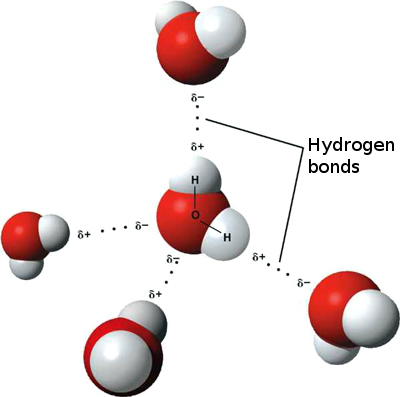
Many of the unique properties of water are the result of its polar covalent molecular structure, and ability to form intermolecular hydrogen bonds with other water molecules. See Figure 1.
Figure 1 – Molecular structure of water
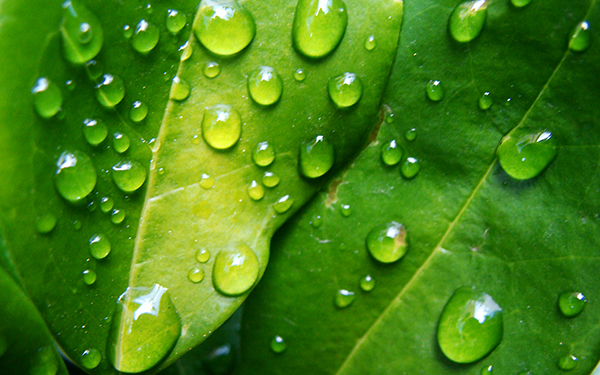
As a result of water's ability to form intermolecular hydrogen bonds, water is said to have a "sticky" nature. This means that water prefers to stick together, and prefers to be attached to other water molecules. This desire for water molecules to stick together is known as cohesion. The cohesive nature of water is evident in a water droplet, as without cohesion the water would not hold its shape. See Figure 2. When liquids with strong intermolecular hydrogen bonds, such as water, have strong cohesive forces they also exhibit high surface tension. Surface tension is the resistance of the object to increase its surface area. Surface tension creates a "skin or shell" around the liquid, strong enough to support light objects. Surface tension is the property that allows small insects to walk on water, without breaking through the surface tension (skin) of the liquid.
Figure 2 – Cohesive nature of water. As a result of the intermolecular hydrogen bonding in water, the water prefers to stick together rather than interact with its surrounding surface, creating surface tension around the water droplet.
In addition to cohesive forces, water also exhibits adhesive forces. While cohesive forces are the result of the intermolecular hydrogen bonds within the water, adhesive forces are the result of the forces between the water and its container (or surrounding surface).
As a result of water constantly trying to create a balance between cohesive and adhesive forces, it creates capillary action. Capillary action is the spontaneous upward rising of a liquid through a narrow tube, or opening. This is how water and nutrients that water carries are brought up from the roots to the leaves in a plant.
Water and the pH Scale:
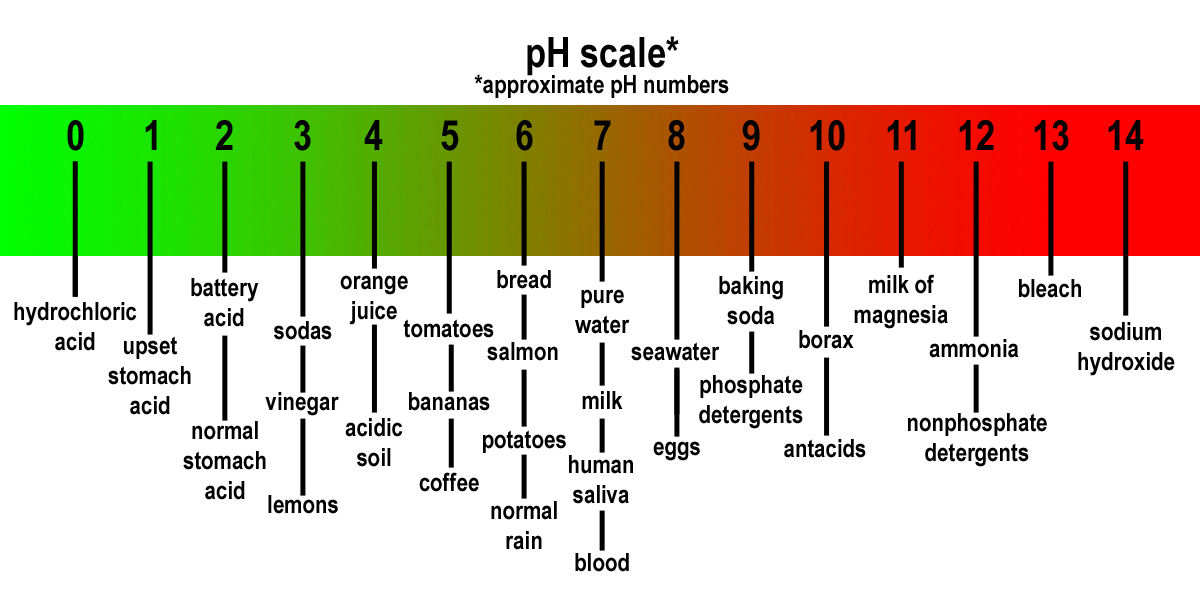
Water is known as the "universal solvent" because it is able to dissolve more solutes than any other solvent. When a solute is dissolved in a solvent, a solution is formed. Scientists use the pH scale to measure the acidity of a solution. See Figure 3. Acidity is a measure of the amount of dissolved hydrogen ions, H+, in a solution. The greater the number of hydrogen ions in a solution, the more acidic the solution is. For example, a solution with a pH of 1 has more hydrogen ions and is more acidic than a solution with a pH of 6. The pH scale is a logarithmic system and is calculated using the following formula:
pH = – log [H+]
A reading of 0–6.9 is acidic, 7.1–14 is basic, and 7 is neutral. A neutral substance is a substance that is neither an acid nor a base. Because the pH scale is logarithmic, each number on scale has a 10-fold difference in acidity compared to the next number. For instance, a pH of 6 is ten times more acidic than a pH of 7.
Figure 3 – The pH scale
Bases can be measured by the presence of an ion called a hydroxide ion (abbreviated as OH–). The pH value of a base increases as the amount of hydroxide ions in the solution increases.
A pH indicator changes color when the pH changes, allowing scientists to qualitatively measure the pH of a substance. Indicators change color within well-defined pH ranges, allowing researchers to select a specific indicator for a specific pH range.
In addition to commercially available indicators like phenolphthalein, there are naturally occurring indicators in plants. For example, some plants contain anthocyanins, which are naturally-occurring pigments found in beets, blueberries, cranberries, raspberries, cherries, grapes, and red cabbage. See Figure 4. These pigments serve as a natural pH indicator, because they change color at different pH values. See Table 1.
Figure 4 — Hydrangeas contain anthocyanins that will turn pink when the soil pH ranges from 6.5 to 7.0, and turn blue when the pH is more acidic, with a range of 5.0 to 5.5.
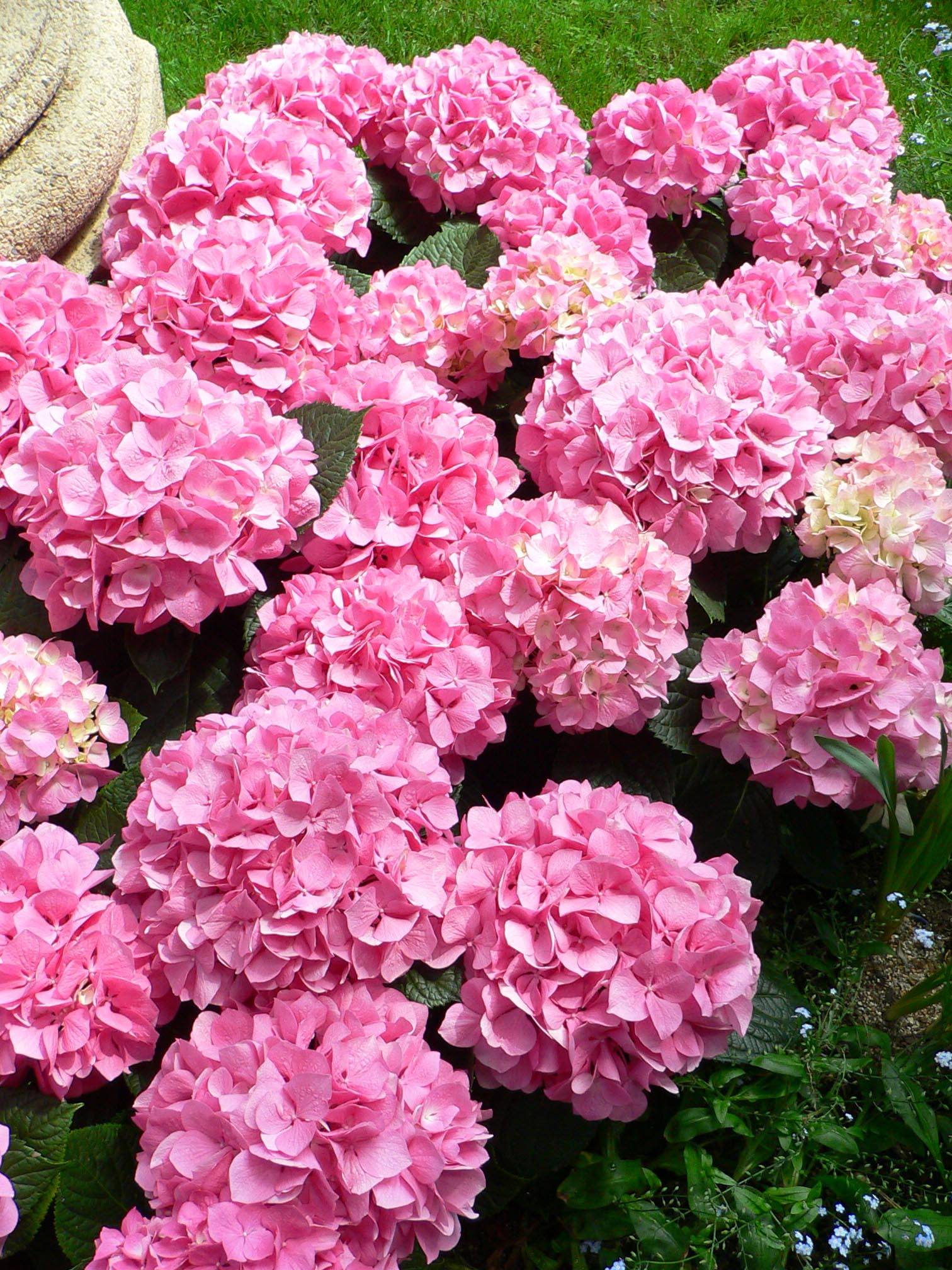 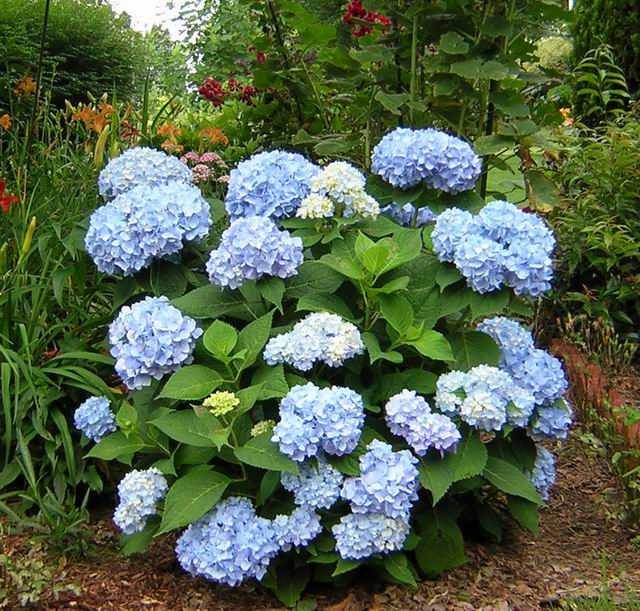
Table 1 — Sources of anthocyanins for pH indicators
| Plant |
Color changes at different pH values |
Beets |
Red to purple in base |
Blackberries and raspberries |
Red in acid and dark blue-violet in base |
Concord grapes |
Deep red in acid and violet in base |
Blueberries |
Blue to red in strong acid |
Cabbage (red) |
Pink at pH 1–3, purple at pH 4–8, green/yellow at pH 9–12 |
Cherries |
Red in acid and purple to blue in base |
Delphinium petals |
Blue-red in acid to blue-violet in base |
Geranium petals & poison primrose (orange variety) |
Orange-red in acid to blue in base |
Onions (red) |
Pale red in acid to green in base |
Petunia petals |
Red-purple in acid to violet in basic |
Poison primrose (blue variety) |
Red in acid to purple to base |
Purple peonies |
Red-purple in acid to deep purple in base |
|